
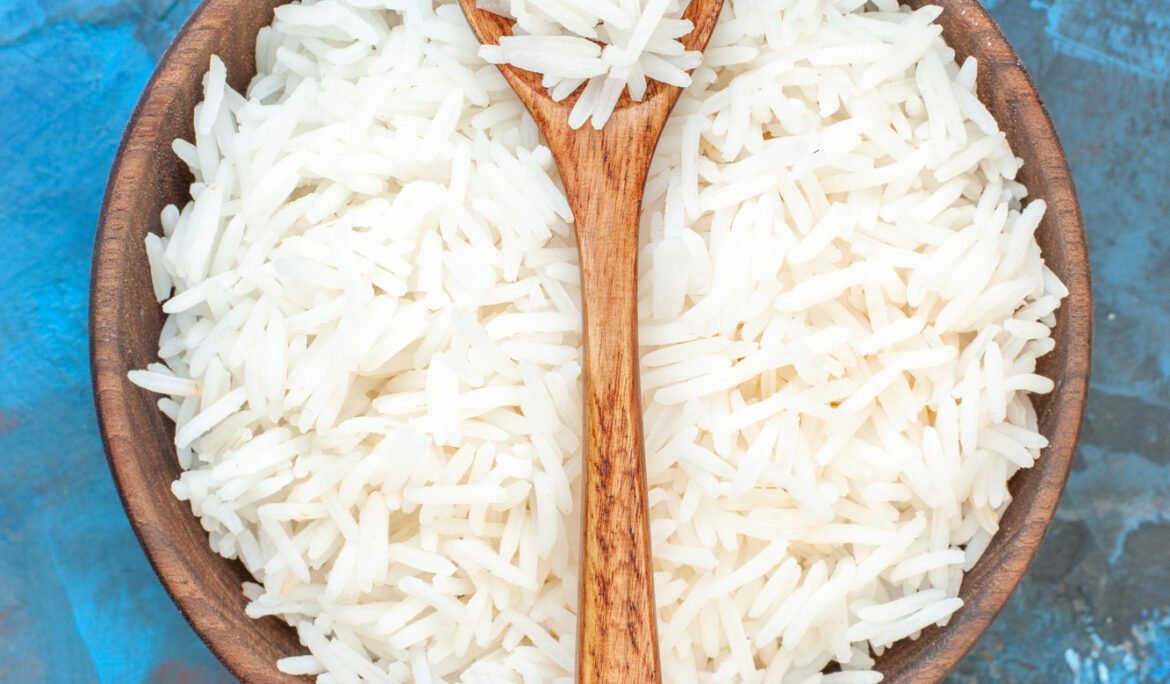
Discover the unique qualities and health benefits of Ponni rice, a beloved medium-grain rice variety from South India, known for its soft texture, aroma, and nutritional value.
Ponni rice is a premium variety of medium-grain rice cultivated mainly in the fertile Cauvery (Kaveri) River delta regions of Tamil Nadu and Andhra Pradesh. Named after the river locally called “Ponni,” meaning “gold” in Tamil, this rice is cherished for its soft, fluffy texture and mild aroma when cooked, making it a staple in South Indian kitchens.
What Makes Ponni Rice Special?
Ponni rice stands out due to:
- Texture and Aroma: It cooks into a non-sticky, slightly fluffy grain with a subtle fragrance, ideal for everyday meals and festive dishes.
- Nutritional Profile: Rich in carbohydrates for energy, low in fat, and naturally gluten-free, Ponni rice also contains essential vitamins and minerals like thiamine, niacin, iron, and fiber, especially in its brown variety.
- Health Benefits: Its low glycemic index makes it suitable for diabetes management. The fiber content aids digestion, promotes gut health, and supports weight management by providing a feeling of fullness.
Types of Ponni Rice
| Type | Description | Nutritional Aspect | Cooking Time |
|---|---|---|---|
| White Ponni | Polished rice with husk and bran removed; soft, fluffy, and slightly sweet | Lower fiber, quick cooking | 10-15 minutes |
| Brown Ponni | Whole grain retaining bran layer; nuttier flavor, chewier texture | Higher fiber, vitamins, and minerals | 30-40 minutes |
| Boiled Ponni | Parboiled rice partially cooked in husk before milling; retains more nutrients than white | High fiber, low glycemic index, nutrient-rich | Similar to white Ponni |
White Ponni rice is favored for dishes like steamed rice, idli, dosa, pulao, and biryani, while brown Ponni rice is chosen for its health benefits and whole grain goodness.
How to Cook Ponni Rice Perfectly
White Ponni Rice:
- Rinse thoroughly to remove surface starch.
- Soak for 15-20 minutes to shorten cooking time.
- Boil with a 2:1 water-to-rice ratio, simmer covered for 10-15 minutes.
- Let rest 5 minutes, then fluff with a fork.
Brown Ponni Rice:
- Rinse well to clean.
- Soak for 30-60 minutes to soften bran.
- Use 2.5:1 water-to-rice ratio, simmer covered for 30-40 minutes.
- Rest 5-10 minutes before fluffing.
Culinary Uses of Ponni Rice
Ponni rice’s versatility makes it ideal for a wide range of dishes:
- Everyday steamed rice paired with sambar, rasam, or curries.
- Flavorful biryanis and pulaos.
- Traditional South Indian delicacies like idli, dosa, and lemon rice.
- Desserts such as rice pudding.
Why Choose Ponni Rice?
- Healthier Alternative: Compared to regular white rice, Ponni rice, especially the boiled and brown varieties, offers more fiber, vitamins, and minerals, supporting cardiovascular health and blood sugar regulation.
- Digestive Friendly: Its easy digestibility makes it suitable for all age groups, including those with sensitive stomachs.
- Gluten-Free: Naturally gluten-free, Ponni rice is safe for people with gluten intolerance or celiac disease.
Incorporating Ponni rice into your daily meals not only enriches your diet with essential nutrients but also brings the authentic taste of South Indian cuisine to your table. Whether you prefer the quick-cooking white Ponni or the nutrient-dense brown variety, this golden grain promises both flavor and health benefits.
Embrace the goodness of Ponni rice for a wholesome, delicious, and healthy diet that honors tradition and nutrition alike.